Sep 29, 2024
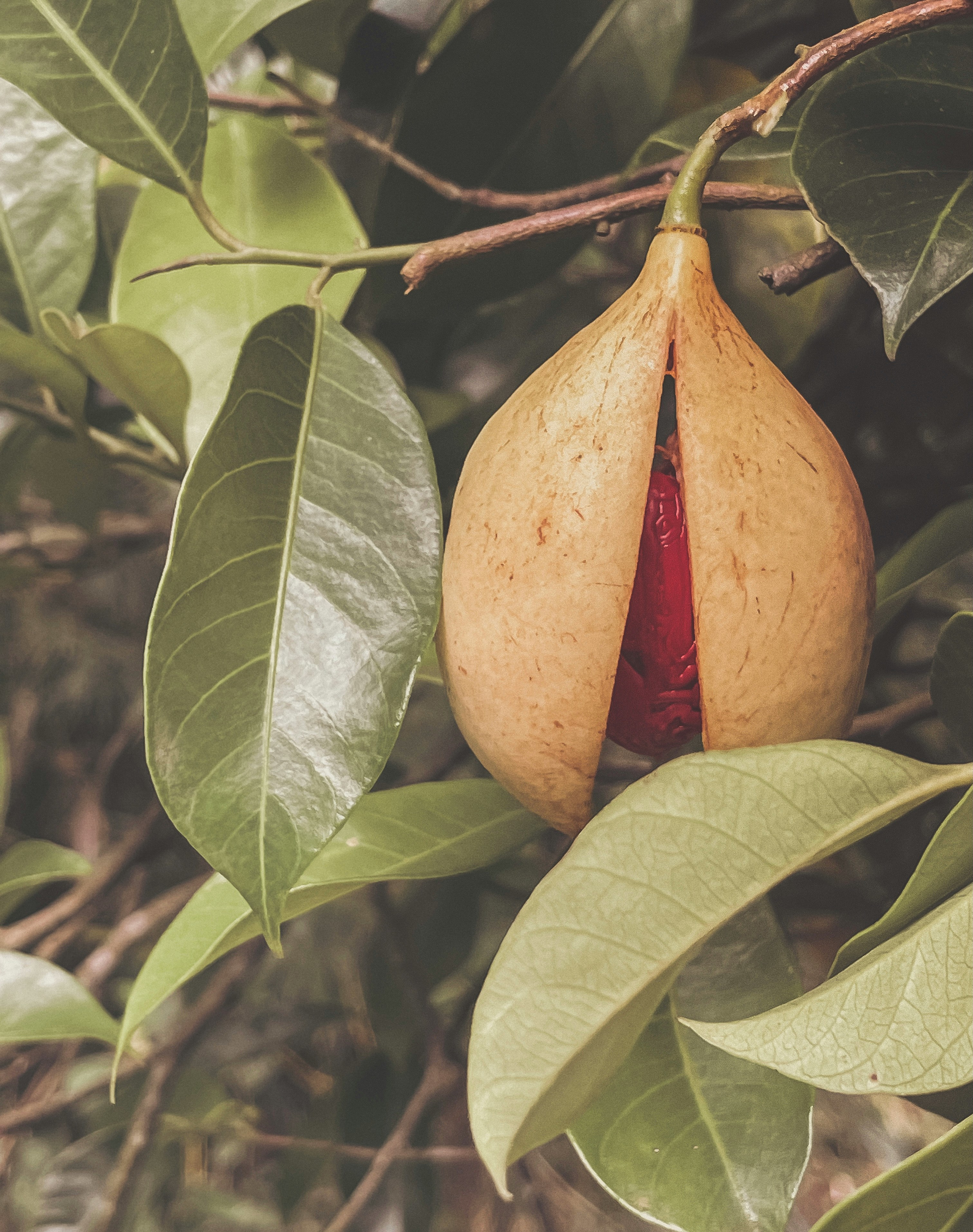
Overview
Mace flower, the lacy outer covering of the nutmeg seed, shares many of the same health benefits as nutmeg but offers a milder, slightly sweeter flavor. Mace is packed with antioxidants, and its antimicrobial properties make it an excellent choice for boosting immunity and improving digestive health.
Health Benefits
Boosts Immune System: Mace contains antioxidants and essential oils that help boost the body’s natural defense system, making it great for warding off colds and flu.
Supports Digestive Health: Mace stimulates the digestive system, reducing indigestion and bloating. It also helps improve appetite and metabolism.
Anti-Inflammatory Effects: Like nutmeg, mace has anti-inflammatory properties that may help relieve pain and inflammation.
Antibacterial Properties: Mace’s antimicrobial properties make it helpful in protecting against infections and bacteria.
Best Time to Take Mace Flower
Morning or with meals: Mace can be consumed with breakfast or lunch to support digestion and boost metabolism. It’s also great when used in teas during the winter months to strengthen immunity.
Night: A pinch of mace in warm milk can help improve sleep quality, making it a soothing evening drink.
Suggested Quantity
Use 1/8 teaspoon of mace powder daily. You can sprinkle it over dishes or add it to beverages.
How to Incorporate Mace Flower
Mace-Infused Tea: Add a pinch of mace to your tea to boost digestion and immunity.
Spice Up Your Soups and Stews: Mace works well in savory dishes, especially soups, stews, and curries.
Baked Goods: Mace adds a delicate flavor to cakes, cookies, and pastries, making it an ideal spice for desserts.