Sep 29, 2024
Overview
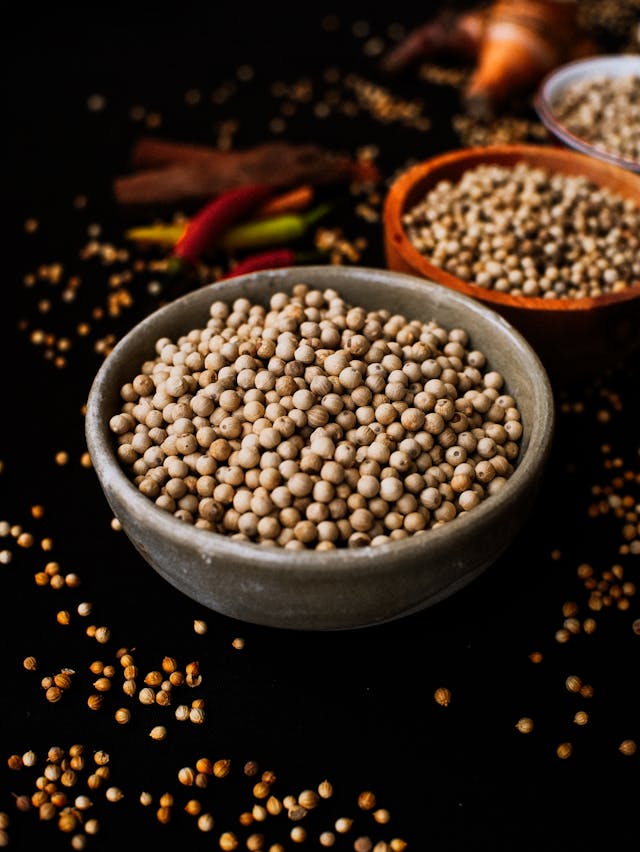
White pepper is the seed of the pepper plant and is often used for its mild flavor and health benefits. It contains piperine, the same compound found in black pepper, which makes it useful for digestion and metabolism support. However, white pepper is less pungent and is ideal for those who prefer a milder flavor.
Health Benefits
Aids in Digestion: White pepper stimulates the secretion of gastric juices, aiding in the digestive process and preventing bloating, gas, and indigestion.
Boosts Metabolism: Piperine in white pepper helps increase fat metabolism and aids in weight loss by enhancing thermogenesis (the body’s ability to burn fat).
Improves Respiratory Health: White pepper has anti-inflammatory and antibacterial properties, which may help relieve nasal congestion and respiratory issues.
Enhances Nutrient Absorption: Like black pepper, white pepper boosts the absorption of nutrients, such as curcumin from turmeric and vitamins like B6 and C.
Best Time to Take White Pepper
With meals: Adding white pepper to meals is the best way to support digestion and metabolism.
Morning or afternoon: White pepper can be taken with warm water or in soups during the day to help stimulate metabolism.
Suggested Quantity
1/4 teaspoon of ground white pepper per day can be added to soups, stews, or sprinkled on salads.
How to Incorporate White Pepper
Sprinkle on Salads and Soups: White pepper’s milder flavor makes it ideal for soups, stews, and salads.
White Pepper Tea: Mix 1/4 teaspoon of ground white pepper with warm water and honey for a metabolism-boosting tea.
Use in Sauces: White pepper is often used in white sauces, mashed potatoes, and creamy soups to add a mild peppery kick.